
Bakerman Books
Trusted medical laboratory references for clinicians, residents and students
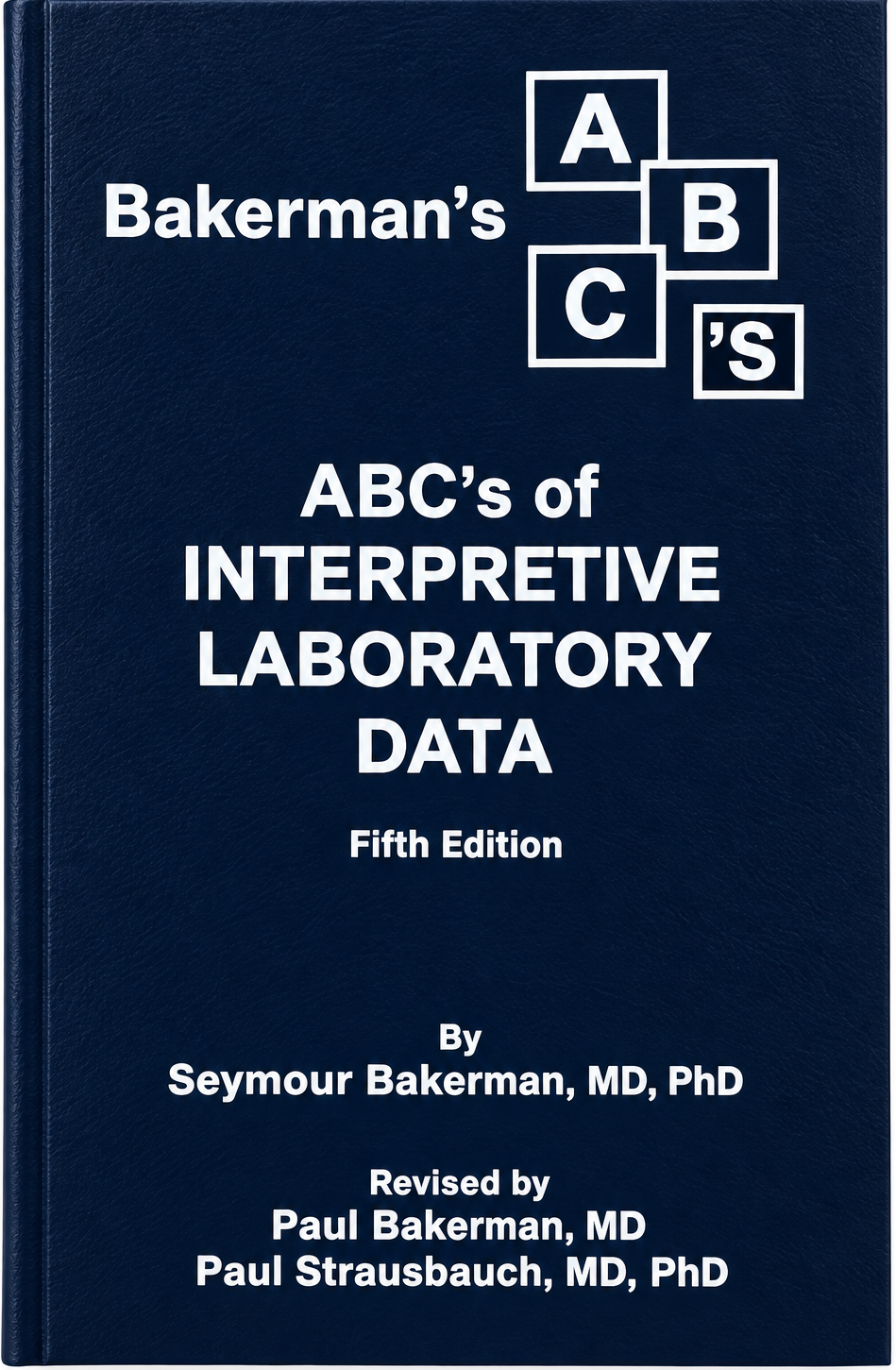
Bakerman’s ABC’s of Interpretive Laboratory Data
(Fifth Edition)
Who It’s For
Bakerman’s ABC’s is used by residents, medical students, nurses, laboratory personnel, practicing physicians, and other health professionals for fast, accurate laboratory test interpretation. The 5th edition maintains the alphabetical listing of 600 common and uncommon tests and test panels. Format includes SPECIMEN, REFERENCE RANGE, METHOD (when relevant), INTERPRETATION, and SELECTED REFERENCES.
Bakerman’s ABC’s is currently being revised, with the 6th edition expected in 2027.
History of Bakerman’s ABC’s
The need for a concise clinical guide to clinical laboratory tests was conceived in 1982. Paul Bakerman, then a third year medical student, noted that there was limited knowledge about the differential diagnosis of abnormal laboratory values, and that this information was not readily available on rounds. As the son of Seymour Bakerman, Chairman of Pathology and Laboratory Medicine at the same institution, these questions were frequently directed at Paul. Paul suggested to Seymour that he produce a pocket sized version of his class notes; the first edition of Bakerman’s ABC’s was published in 1983, and the second edition in 1984.
Following Seymour’s death in 1989, the third, fourth and now fifth editions have been revised by Paul Bakerman, MD, now a pediatric critical care physician at Phoenix Children’s Hospital and Paul Strausbauch, MD, PhD, a pathologist at East Carolina University.
About the Authors
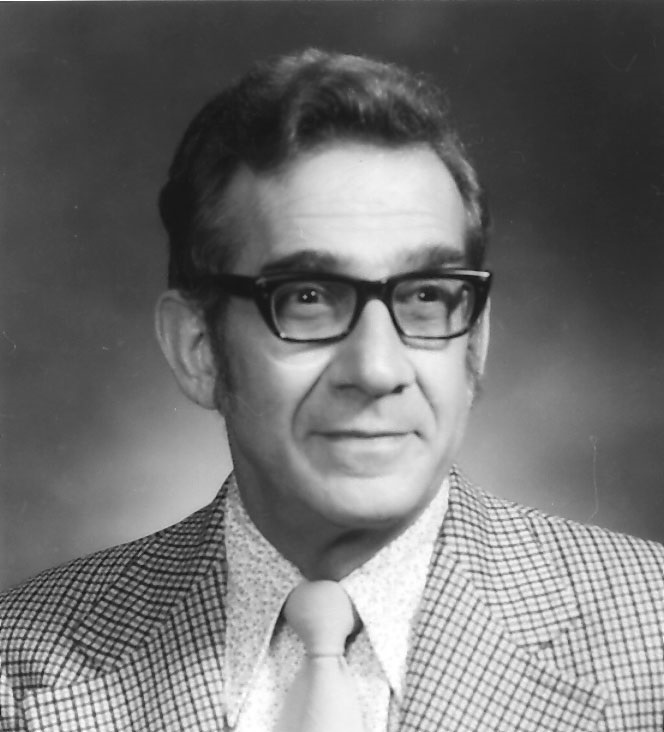
Seymour “Sy” Bakerman, MD, PhD
Sy was a teacher, scientist, physician, and mentor. Born in Brooklyn, New York, in 1924, Sy was the youngest of nine children born to immigrant parents. At age 18, he enlisted in the U.S. Army and served as a medic in Italy during World War II. Wounded by artillery shrapnel and awarded the Purple Heart, he emerged from the war with a lifelong commitment to medicine and patient care.
Sy earned his PhD in Physical Chemistry from Purdue University, where he met his wife, Winona, and began building a family. He later attended Case Western Reserve University School of Medicine, then at the forefront of an innovative systems-based curriculum that would help reshape medical education. After receiving his MD in 1959, he embarked on a career as an academic pathologist, researcher, and educator. Together, Sy and Winona raised three children — John, Paul, and Beth — who witnessed firsthand his boundless enthusiasm for medicine, learning, and teaching.
In 1976, Sy was appointed Chief of Pathology at East Carolina University School of Medicine. There, he became legendary among students for his engaging lectures, charismatic personality, and unwavering commitment to education. After repeated selections as Basic Science Teacher of the Year, the Golden Caduceus Award was renamed the Seymour Bakerman Award in his honor. Beyond the classroom, he welcomed students into his home each year for a barbecue.
Sy’s passion for teaching extended far beyond his institution. In the late 1970s, he developed the Clinical Chemistry Review Course and authored the accompanying Clinical Chemistry Review Notes and Review Questions. Through frequent review courses held across the country, he educated a generation of pathologists and clinical chemists with his remarkable energy, clarity, and gift for explaining complex concepts.
He also authored and self-published the pocket reference ABC’s of Interpretive Laboratory Data, affectionately known as the “Little Blue Book.” It became the best-selling pocket laboratory reference of its kind, with more than 250,000 copies sold. Winona proudly managed the publication and distribution of the book, helping to extend Sy’s educational mission to learners nationwide.
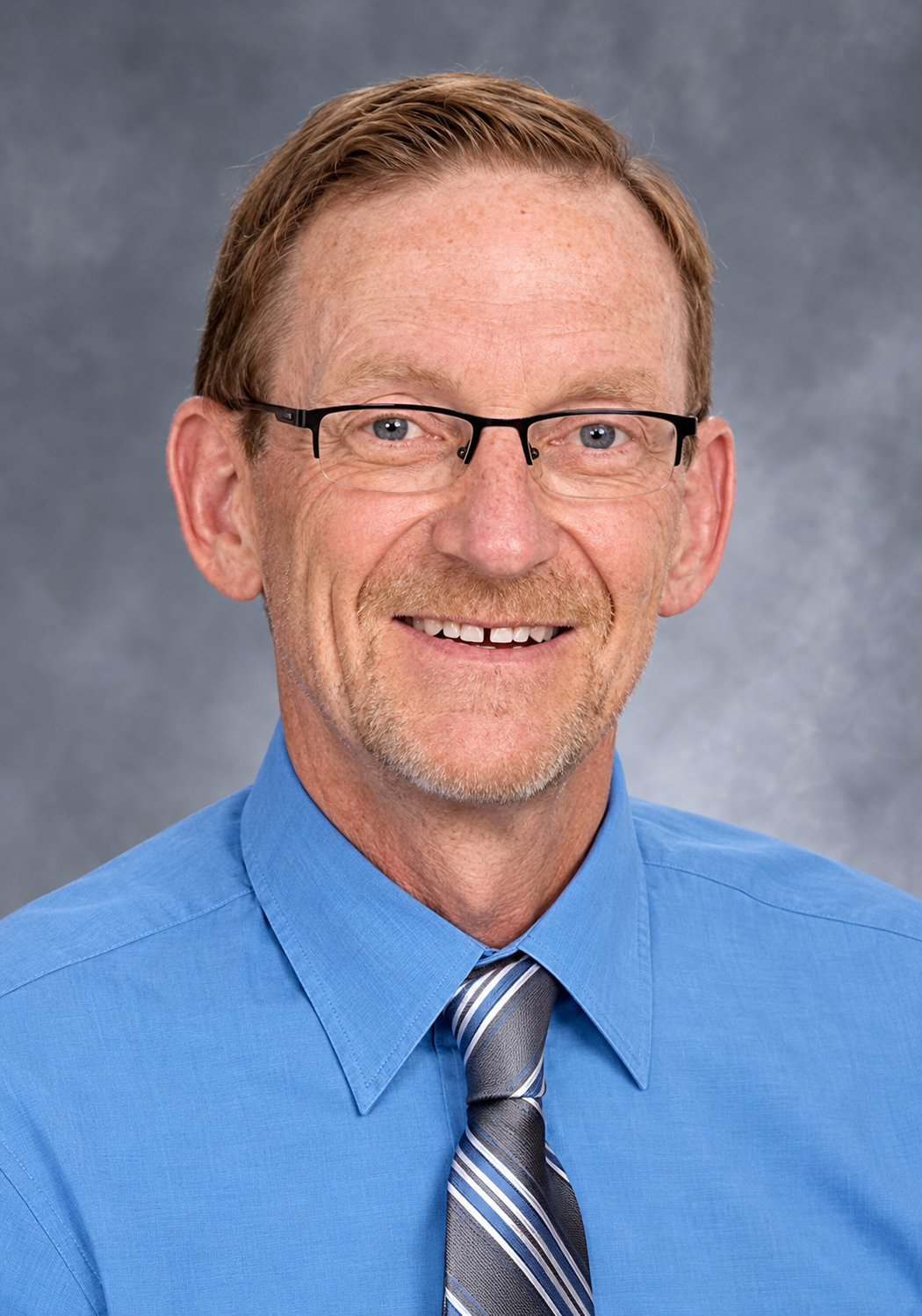
Paul Bakerman, MD
Dr. Paul Bakerman has been a practicing Pediatric Intensive Care physician at Phoenix Children’s Hospital since 1989 and is Associate Professor in the Department of Pediatrics at the University of Arizona School of Medicine. In addition to clinical medicine, he supervises, teaches, and mentors medical students, residents, and fellows.
Dr. Bakerman earned his Bachelor of Arts degree in Biochemistry at Dartmouth College in 1979. He completed his MD training at East Carolina University in 1983 and went on to complete Pediatric Residency and Pediatric ICU fellowship at the University of Colorado and Denver Children’s Hospital in 1989.
Dr. Bakerman has continued his father’s legacy by continuing to publish Bakerman’s ABC’s of Interpretive Laboratory Data, which he co-authored in its 3rd, 4th, and 5th editions with Paul Strausbauch, MD, PhD.
Bakerman’s Laboratory Medicine Review Questions
Who It’s For
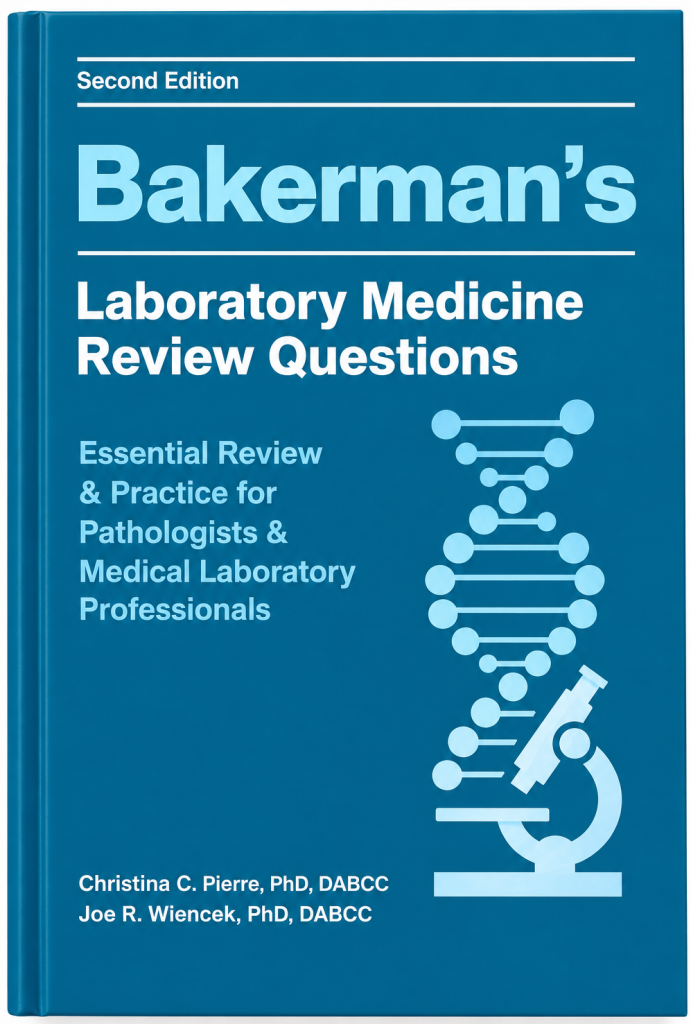
Bakerman’s Laboratory Medicine Review Questions continues the distinguished educational legacy of Seymour Bakerman, MD, PhD, in a thoroughly revised and updated format for today’s laboratory medicine trainees and professionals. Developed as a practical and comprehensive study resource, this new edition is specifically designed to support preparation for laboratory board examinations, with a focus on clinical chemistry.
The book is organized into 19 chapters covering a broad range of subjects essential to modern laboratory medicine, including spectrophotometry, electrophoresis, statistics, quality control, and pharmacokinetics. Carefully constructed review questions and explanations reinforce key principles, encourage critical thinking, and strengthen test-taking confidence.
Developed for clinical chemists, pathologists, and clinical laboratory scientists, this text serves as both an effective self-assessment tool and a valuable teaching resource. Combining the enduring strengths of the Original Bakerman text with updated content and contemporary laboratory practice, this edition is an indispensable guide for mastering the foundations of laboratory medicine.
About the Authors
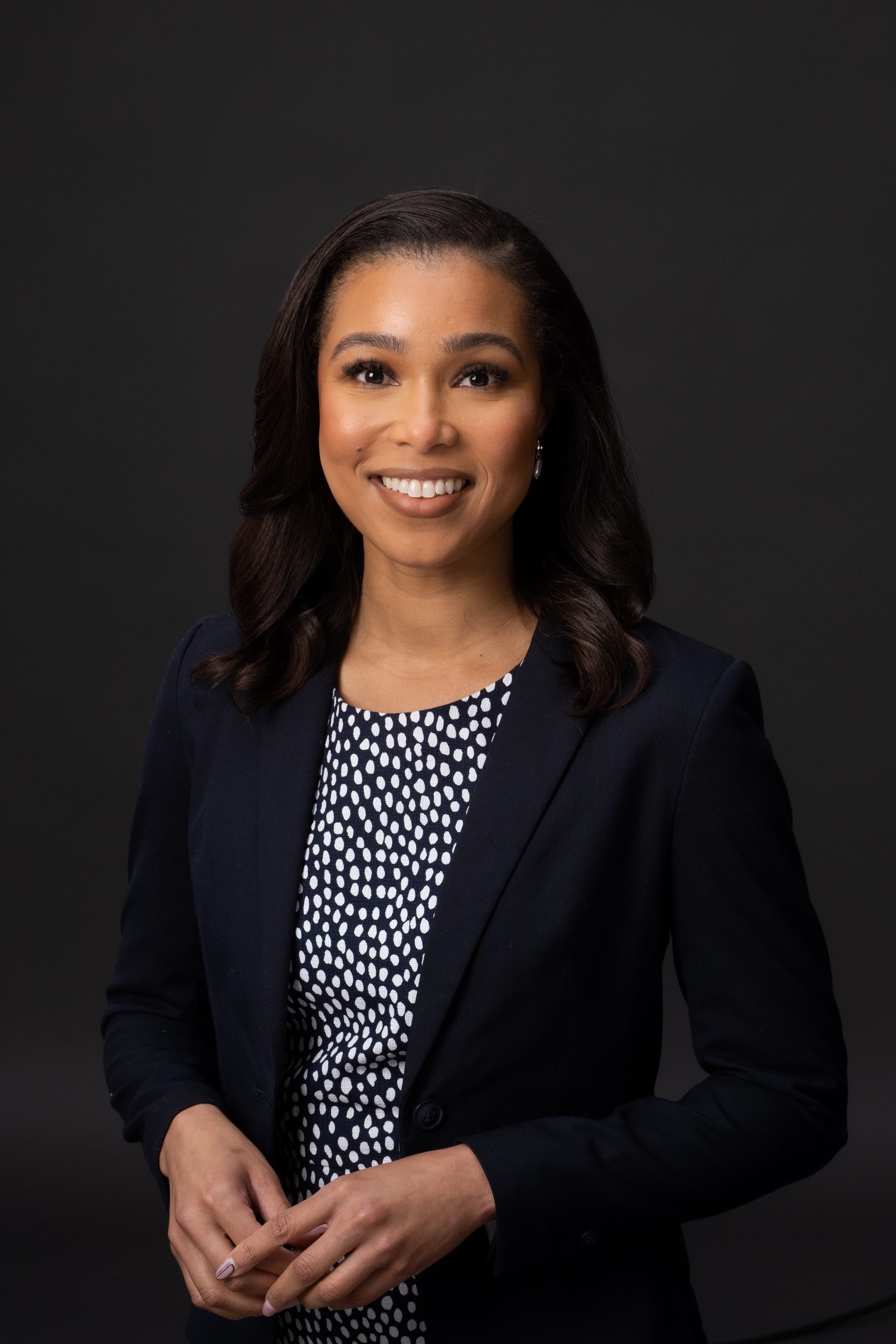
Christina C. Pierre, PhD, DABCC
Dr. Pierre is an Assistant Professor in the Department of Pathology and Laboratory Medicine at the Perelman School of Medicine at the University of Pennsylvania, and the director of the Douglas B. Cines MD Special Coagulation Laboratory and Point of Care testing at the Hospital of the University of Pennsylvania.
Dr. Pierre earned her Bachelor of Science degree in Biomedical Sciences with a minor in Biochemistry from the University of Waterloo (Waterloo, Ontario, Canada), graduating on the Dean’s Honors List. She completed her PhD in Molecular and Cell Biology at McMaster University (Hamilton, ON, Canada) in 2015 and went on to complete a clinical chemistry fellowship at the University of Virginia (Charlottesville, Virginia, U.S.) in 2020.
As an academic clinician, Dr. Pierre’s career is characterized by a sustained commitment to teaching, mentorship, and the advancement of laboratory medicine education. This commitment has been recognized, as she was awarded the 2025 Peter C. Nowell Teaching Award by the Department of Pathology and Laboratory Medicine at Perelman School of Medicine.
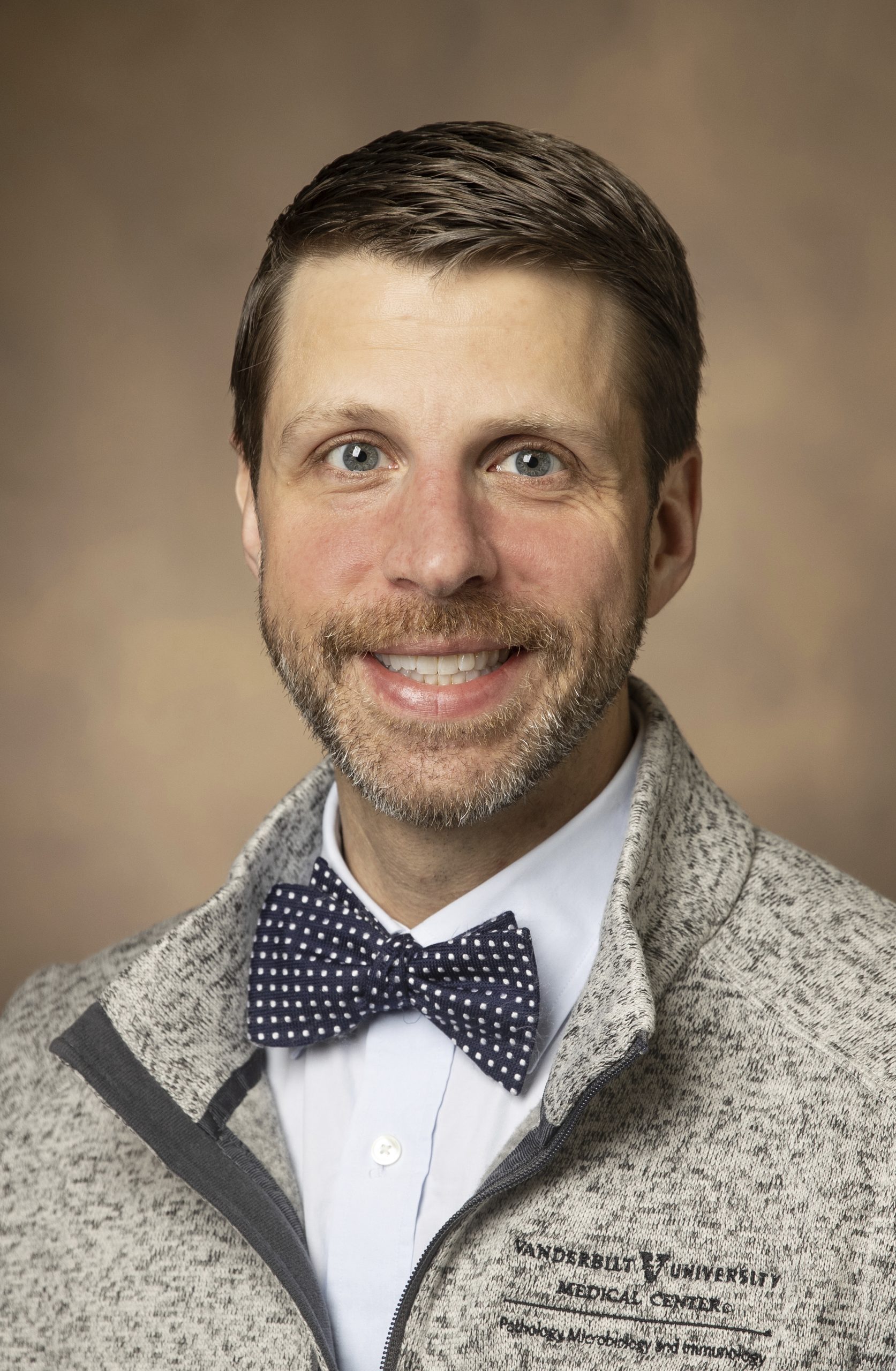
Joe R. Wiencek, PhD, DABCC
Dr. Joe Wiencek is Associate Professor in the Department of Pathology, Microbiology, and Immunology at Vanderbilt University School of Medicine, where he serves as Medical Director for multiple clinical chemistry laboratories, including the Core Laboratory, Emergency Department Laboratory, and Adult and Pediatric Hematology and Oncology Laboratory. Dr. Wiencek earned a bachelor’s degree in chemistry from The Ohio State University and a Ph.D. in Clinical–Bioanalytical Chemistry, with a specialization in Clinical Chemistry and Molecular Medicine, from Cleveland State University in partnership with the Cleveland Clinic Foundation. He completed a clinical chemistry internship at Cleveland Clinic and a clinical chemistry postdoctoral fellowship at Vanderbilt.
Dr. Wiencek has a sustained commitment to teaching, mentorship, and the advancement of laboratory medicine education. He has held leadership roles as Co-Director of the Clinical Chemistry Fellowship and Director of Resident Rotations, and he has developed innovative curricula and digital educational resources for trainees. Dr. Wiencek’s dedication to education has been recognized through numerous teaching awards, including the F.C. Mark Award for Excellence in Undergraduate Teaching, the Bockhoff Award for Sustained Excellence in Undergraduate Teaching, and the Excellence in Resident Education Award.
Dr. Wiencek’s research spans clinical chemistry, biomedical engineering, and ethical issues in laboratory medicine. He has authored and co-authored numerous peer-reviewed articles, book chapters, and standards, and has contributed to national and international policy documents, position statements and guidelines. His work has been highlighted in major laboratory medicine publications and podcasts. He has received honors such as the Distinguished Abstract Award from the Association for Diagnostics and Laboratory Medicine and the 40 Under Forty Honoree recognition from the American Society for Clinical Pathology.
In his current role, Dr. Wiencek leads a large faculty team and has played a key role in major laboratory expansions and quality initiatives, including the successful off-site reference laboratory relocation and the installation of multiple automation lines. He is actively involved in professional organizations, serving as Chair of the International Federation for Clinical Chemistry and Laboratory Medicine’s Task Force on Ethics and holding leadership positions in the Association for Diagnostics and Laboratory Medicine and the American Society for Clinical Pathology.
Contact Us
Mail:
Interpretive Laboratory Data, Inc.
5922 E. Calle Tuberia
Phoenix, AZ 85018
Email: paulRbakerman@gmail.com
Telephone: (602) 228-9410